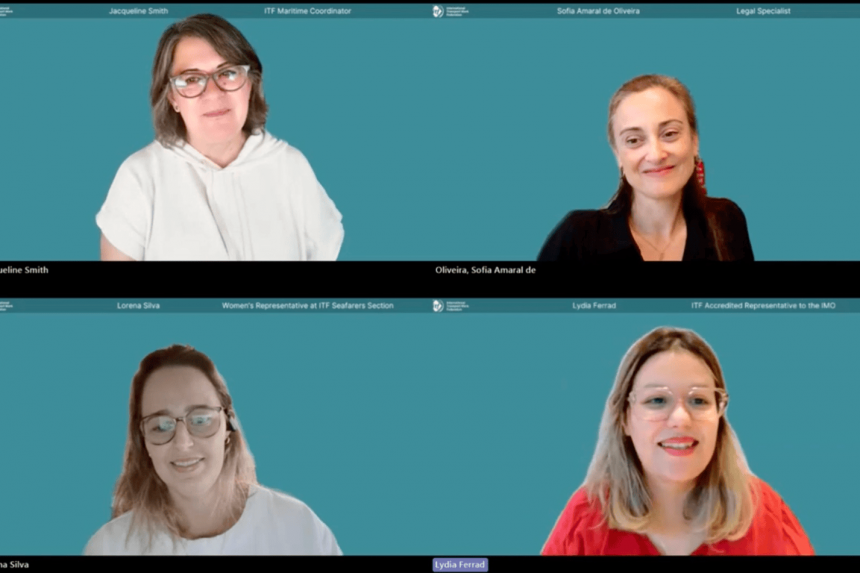
On June 25, ITF Women at Sea hosted a webinar bringing together four industry leaders to break down the Maritime Labor Convention (MLC) and share their experience as working women in maritime.
Jacqueline Smith, ITF Maritime Coordinator, navigated the conversation among Sofia Amaral de Oliveira, Legal Specialist for the International Labor Standards Department at the ILO in Geneva; Lydia Ferrad, former seafarer and ITF’s accredited representative to the IMO; and Lorena Silva, Deck Officer, Women’s Representative to the ITF Seafarers’ Section, and Director of Gender and Youth at the Brazilian union federation CONTTMAF.
Amaral de Oliveira kicked off the session with a presentation on the Maritime Labor Convention (MLC), an international treaty adopted by the International Labor Organization (ILO) which sets out minimum working and living standards for seafarers worldwide. Often described as the “seafarers’ bill of rights” it outlines provisions for safe working conditions, set hours of work and rest, living accommodations, food, health protection, medical care, and access to complaint procedures. It also establishes “fundamental rights and principles” which formally eliminate gender discrimination in employment and occupation. It also requires member states to guarantee separate sleeping rooms and sanitary facilities for men and women, as well as ensure social benefits for seafarers be no less favorable than that of workers ashore. Amaral de Oliveira noted this provision is especially meaningful for women, as where national maternity benefits exist, they must also be extended to seafarers.
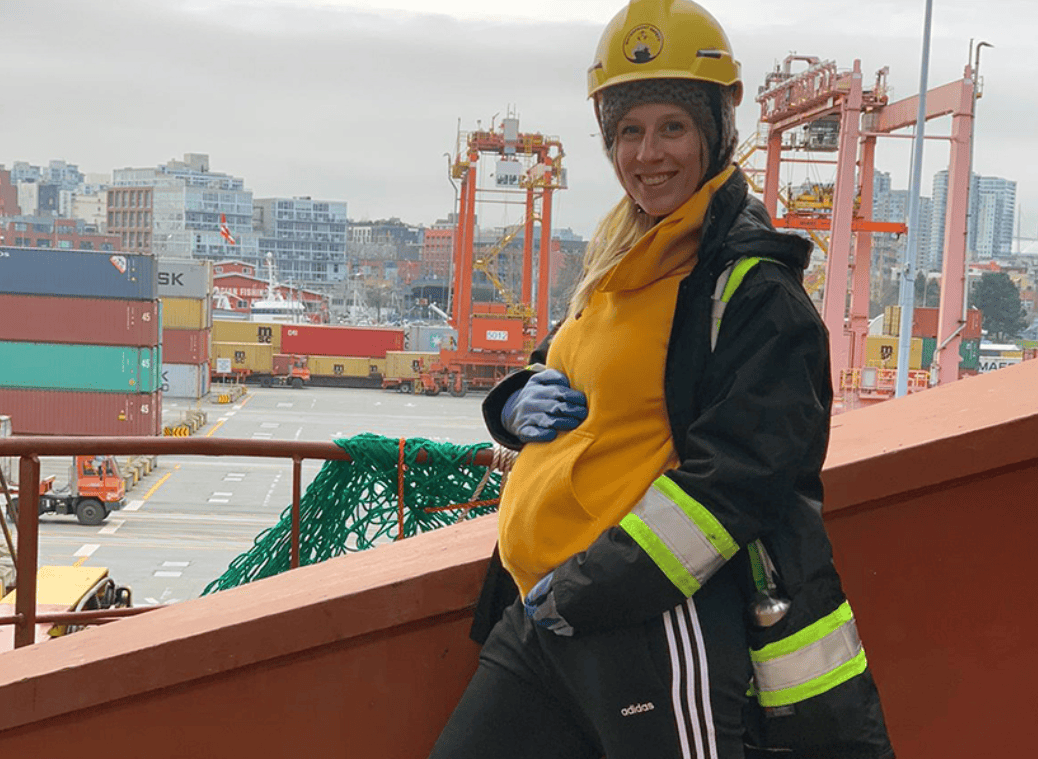 Later MLC amendments, like strengthening seafarers’ rights to shore leave (2025), WIFI connectivity (2022), and appropriately sized personal protective equipment (2022), are, as moderator Smith noted, benefits which extend beyond just female seafarers. Although women only make up 2% of the global seafaring workforce, their entry and advocacy in the industry has lifted standards for everyone. “I think what we have been fighting for, for women, has also benefited absolutely our brothers in the workforce,” Smith stated.
While the panelists discussed the challenges faced by women at sea, Silva also took a moment to recognize the achievements and growing opportunities within the maritime industry. Although the global average of seafaring women is only 2%, Silva pointed out that in Brazil, women represent 13% of their country’s seafarers. Silva also celebrated the MLC’s recent 2025 amendments, which for the first time explicitly prohibit violence, harassment, sexual harassment, bullying, and assault aboard ships. Notably, it requires shipowners to adopt preventative policies and establish safe, effective reporting mechanisms.
Though she celebrated the momentum, Silva said we must continue with a clear implementation policy and a secure, accurate reporting system to ensure policies actually make it on board.
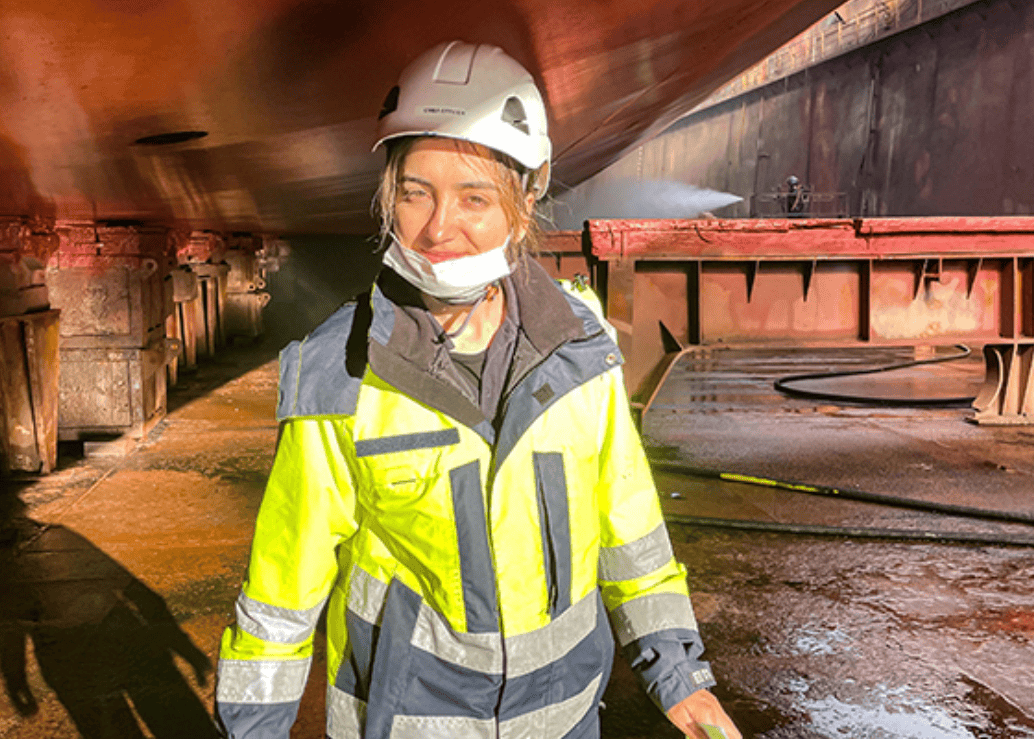 The new, mandatory anti-harassment training standard recently adopted through the IMO’s Standards of Training, Certification, and Watchkeeping (STCW) Code, in force as of January 2026, requires all seafarers to be trained in recognizing, preventing, and responding to harassment, regardless of rank or position. Ferrad stressed training, however, still needs to cover the full arc, specifically: how to recognize inappropriate behavior, how to respond to it, and how to report it.
Ferrad also agreed with Silva on the importance of prioritizing a safe and secure system to combat the fear of reporting on board and to protect victims when they speak out. “It’s not an attractive industry if it is not a safe industry,” Ferrad warned.
Not long ago, the industry was asking how to get women to join at all; today, as the panelists agree, the question is how to build workplaces which will encourage them to stay. The policies and guidelines are beginning to take shape. Now the work ahead is implementation, accountability, and celebrating the workplaces that treat women, and all workers, as true assets.
To view the panel and learn more about ITF’s resources for women visit here.